Sofia Tartakovskaya 10/16/22
“Aladdin” is a children’s movie that is well loved and promotes Arabian cultural representation, but whether its a good or bad representation is the question. The movie follows a poor Agrabah citizen, Aladdin, stealing food from a marketplace who meets a girl; princess Jasmine, who is having her own troubles revolving around the kingdom. He later gets lucky and finds a magical lamp with a wish-granting genie inside that helps solve the problems of the movie. When watching the movie as a child, you tend to overlook all of the questionable content because it’s about a pretty princess and a magical blue genie; but when the adults have a closer look, they start to notice all the things with it that just doesn’t seem quite right. From the child having to be married at such a young age, the starving people in the city forced to steal, and exploring how much control the royal family actually has. This portrayal of the middle east is an unfair and demeaning collection of stereotypes that displays a precedent about The Orient. But what is most troubling, is how Aladdin portrays the manipulation and capture of the royal family and all the effects that come with it. Of course a happy ending is mandatory with these types of Disney movies: Though it would be a much different story if it actually happened somewhere in the Middle East, like the movie is representing. The stability and reputation of these countries is put at risk because of this incorrect and frankly demeaning illustration. The white and uncultured creators of this new-age movie show representation of brown people in traditional middle eastern clothing, but it is still americanized so much that it is unrecognizable to the culture. Jasmine is well known as the ‘teenage rebellion American princess’ because it is obvious that the movie is not geared to teach about the culture, but instead uses the culture for publicity and attraction.
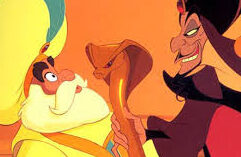
While we may not know if magic is real, and the mind control couldn’t have happened in real life, it does speak on the fact of how easily manipulated the royals are, and what effect it can have. Jafar was a trusted helper of the Sultan, and though he did use his magic snake staff to gain control, it is a very real thought that the crown and any position really can be taken at the snap of a finger. It may not be a magical weapon, but even the people closest to you can betray you and stick a knife to your throat. Even though the movie has a happy ending, Jafar still tries to take control of the people in charge; which could have genuinely led to an entire devastation of the country. The introduction of the movie explains all the bad things about Agrabah, and especially the Arabs living there. Aladdin showcases the villains as darker skinned and with jumbled accents being seen as ugly, barbaric and scary people, while the heroes are more lighter skinned and americanized. These stereotypes perpetuate bad views about The Orient from a young age, making ignorant people believe more racist views about Arabs than there already are. Stanninger even explains that “Aladdin and Jasmine break that stereotype, it is true, but in a distinctly Western, not Middle Eastern, fashion, and are therefore not useful in improving the… Arabic image” (Stanninger 68) The introduction song and all the comments later on explain Agrabah as a gross and uninhabitable place, but the people don’t care because “hey, it’s home”. As if showcasing someone’s home as disgusting isn’t bad enough, the royal family throughout the movie does nothing to fix these problems of starvation and heat within their country. In fact there is barely any mention of it throughout the entire movie, it is just based on the internal affairs and drama of the royal family and how it affects them as opposed to the common people they are meant to protect. This interpretation of how the Middle East operates is harmful to the image, and makes it seem like countries in the Middle East are dirty, overlooked, and broken; which is an untrue view no one would want to have in their country.
This movie is meant to uplift kids that look up to the heroes that save the day, like most Disney movies. But before that happens, the villain Jafar tries to mind control the Sultan, ruler of the land, to allow him to marry Jasmine, and also attempts to control Jasmine herself into loving Jafar. This borderline assault could have been so harmful to Agrabah, as well as Jasmine; the young role model for little girls everywhere. This goes to show how amenable the country of Agrabah and therefore the Middle Eastern countries it represents really are. This alludes to The Orient not having control in their countries or towards other countries, portraying it as weak and fragile without a ‘magical genie’ to save the day. The movie also illustrates the place of women in those cultures and how little power they supposedly have. Like in Arabian Nights by Hussain Haddawy, when the king found out that the queen was unloyal with helpers in the castle, he killed her and then vowed to sleep with a different woman everyday and kill them in the morning because he felt like he had no control. This interpretation of the Thousand and one Nights showed how the possession of women as property is far more important there than actual relationships. This connects back to Aladdin with a common theme of how power is there for the taking, and also shows some examples of typical stereotypes of The Orient about how women are treated and viewed; this is not the best representation for little girls looking up to these movies for power and strength to keep going. When children are watching this movie, they get these internal biases stuck in their head about how bad people in the Middle East are, and about how girls/women should be treated. Overall the Aladdin movie may be a good superficial and uplifting movie for kids, but once you dive into the details, the representation it gives about “The Orient” outweighs all the good.
